The Complete Guide to Different Types of Custom Packaging Boxes
Packaging has become much more than a way to protect products during shipping. It is now an important part of branding, customer experience, and product presentation. Whether you sell cosmetics, electronics, food, clothing, or handmade goods, the packaging you choose can influence how customers perceive your business before they even see the product itself.
With so many packaging options available, choosing the right one can feel overwhelming. Each box style offers different benefits depending on the product, shipping method, and brand identity. Understanding these differences helps businesses make smarter decisions while controlling costs and improving customer satisfaction. This guide explains the most common types of packaging boxes, the materials used to make them, and the factors to consider before placing an order for Custom Packaging Boxes.
Understanding Custom Packaging Boxes
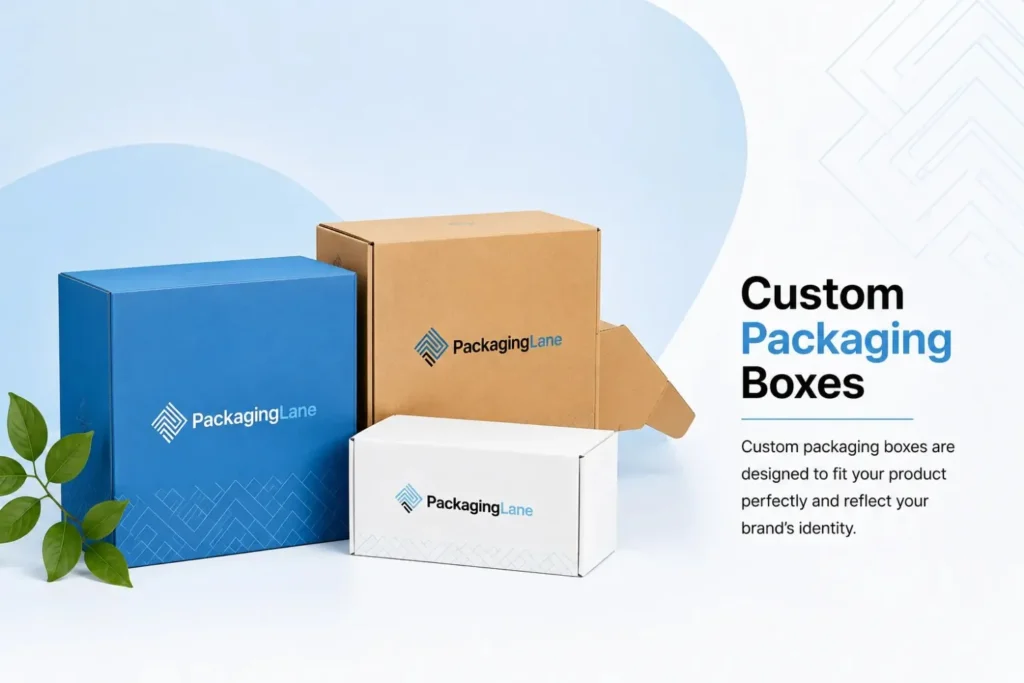
Custom packaging boxes are designed specifically for a product or brand rather than using standard, off-the-shelf packaging. Businesses can customize the dimensions, materials, colors, printing, finishes, and inserts to create packaging that fits their products perfectly.
Unlike generic packaging, custom boxes help reduce wasted space, improve product protection, and create a more professional appearance. They also give businesses an opportunity to reinforce their branding through logos, colors, and messaging.
For many companies, packaging serves as a silent marketing tool. A well-designed box can increase brand recognition, encourage repeat purchases, and create a memorable unboxing experience that customers are more likely to share with others.
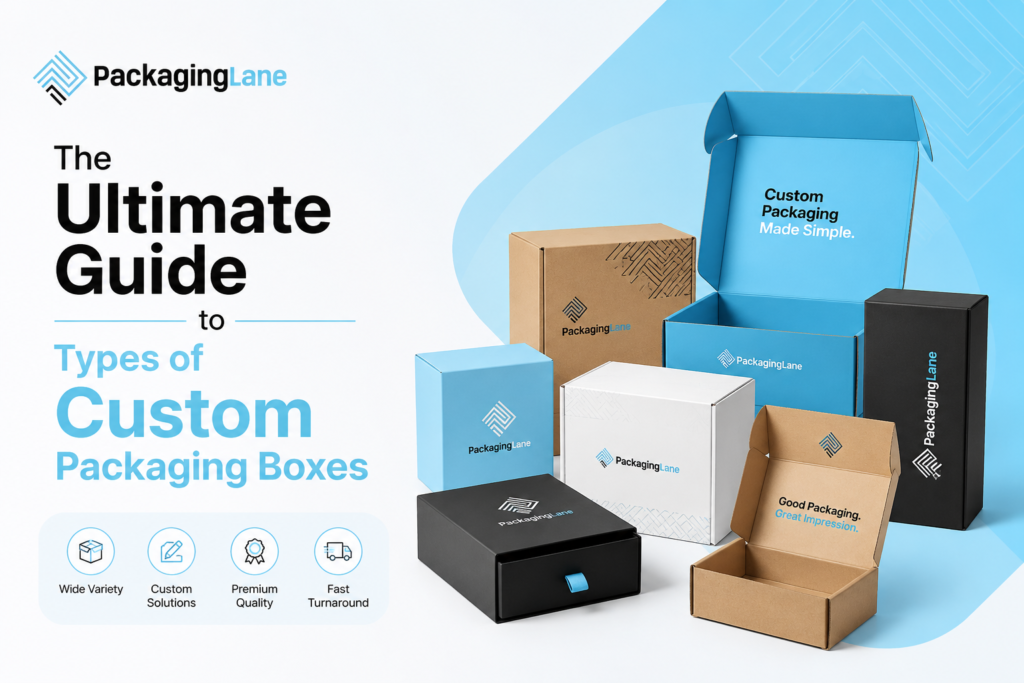
Different Types of Custom Packaging Boxes
Corrugated Boxes
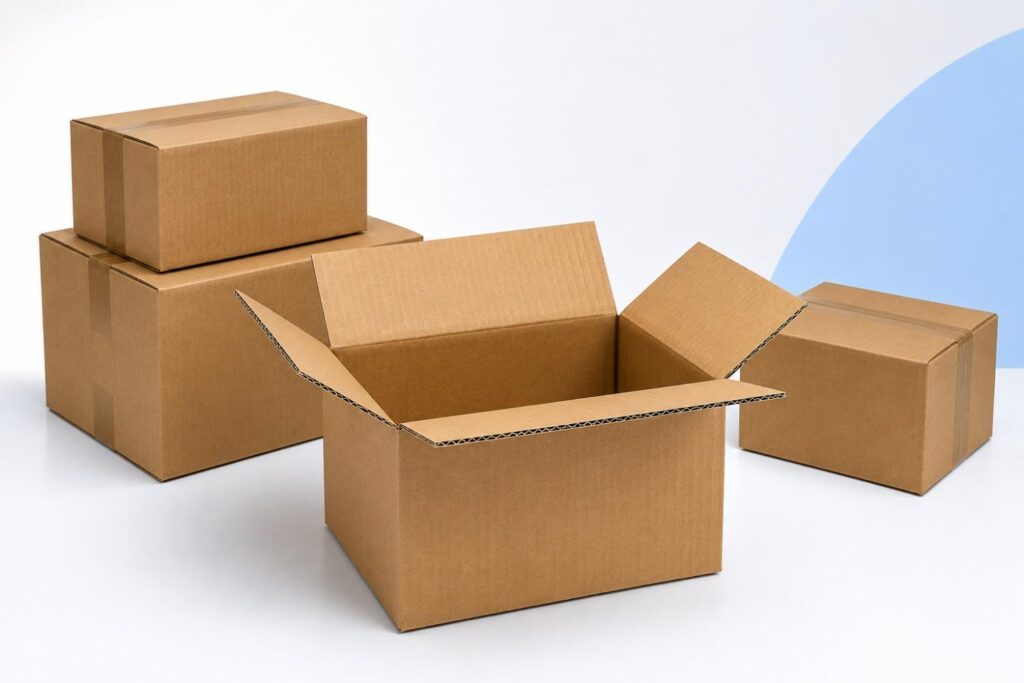
Corrugated boxes are among the most widely used packaging solutions for shipping. Their layered construction provides excellent strength and cushioning, making them suitable for heavy or fragile products. They are commonly used by eCommerce businesses, manufacturers, and wholesalers.
Folding Cartons
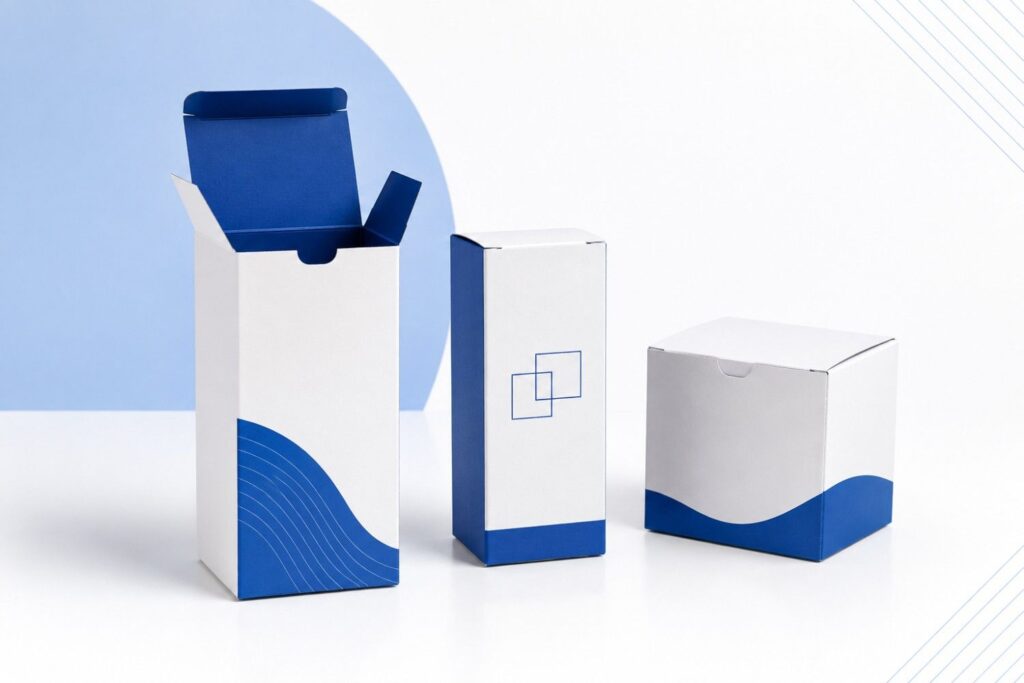
Folding cartons are lightweight paperboard boxes frequently used for retail products. They are easy to print on, cost-effective, and available in many shapes and sizes. Products such as cosmetics, pharmaceuticals, snacks, and small electronics often use folding cartons.
Rigid Boxes
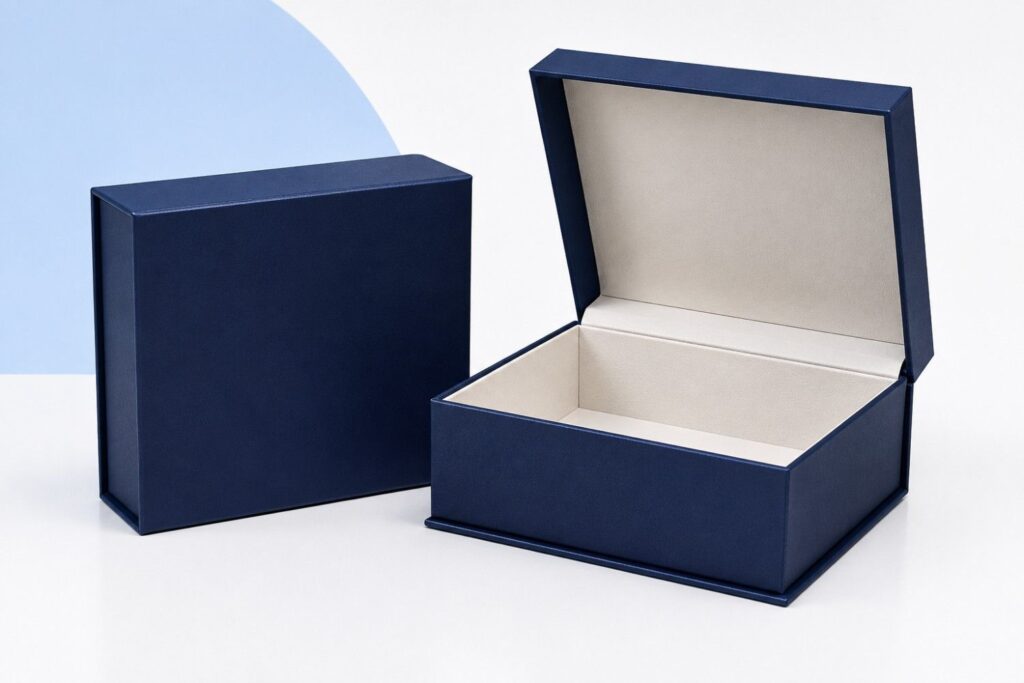
Rigid boxes are known for their premium appearance and durability. Unlike folding cartons, they do not collapse, making them ideal for luxury products such as watches, jewelry, electronics, and high-end gift items. These boxes create a high-quality first impression while providing excellent protection.
Mailer Boxes
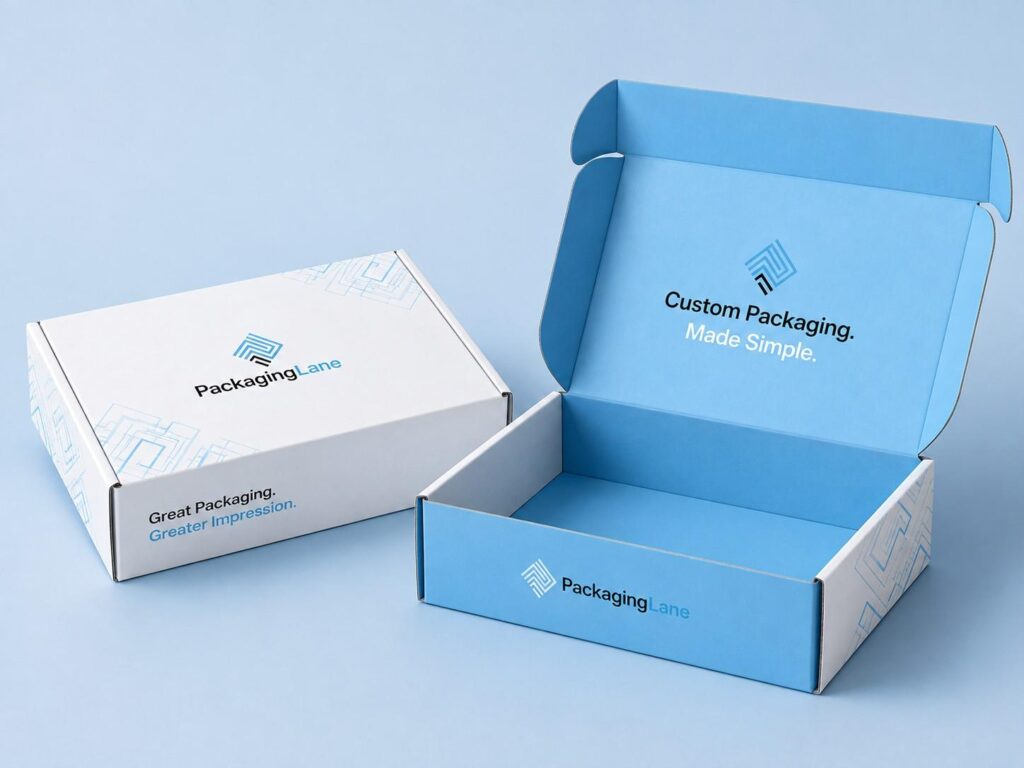
Mailer boxes have become increasingly popular with online retailers and subscription businesses. They are designed for easy assembly and provide enough strength to protect products during shipping without requiring additional outer packaging.
Display Boxes
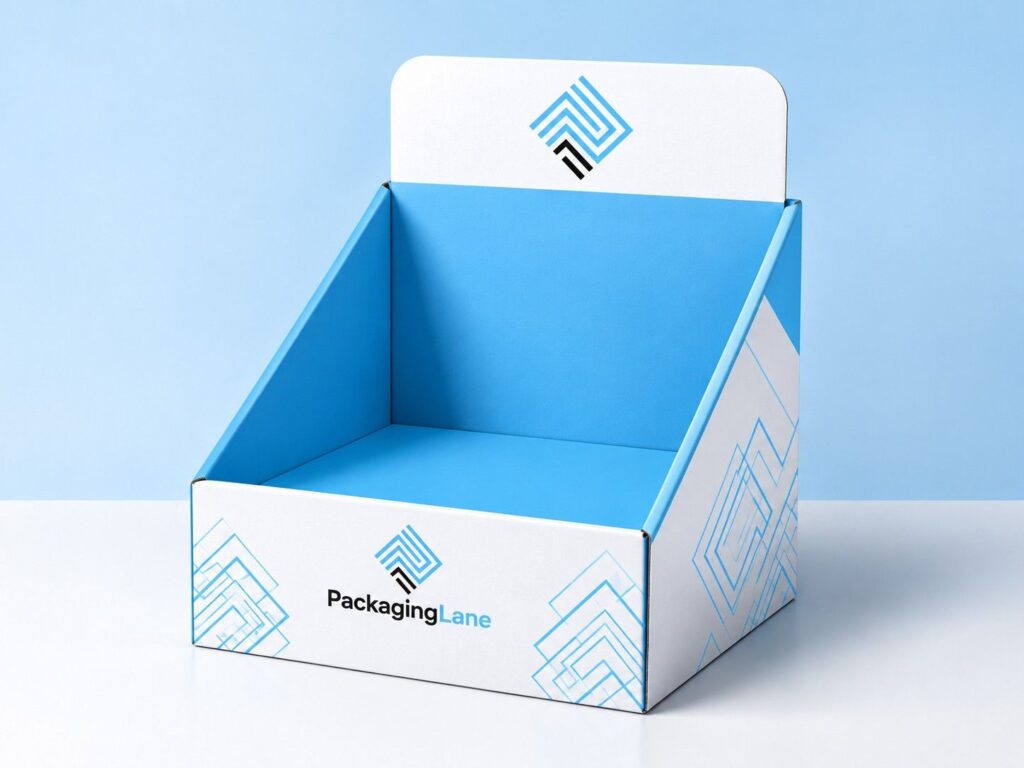
Display boxes are commonly used in retail stores to showcase products directly on shelves or checkout counters. Their open-front design improves product visibility and encourages impulse purchases.
Sleeve Boxes
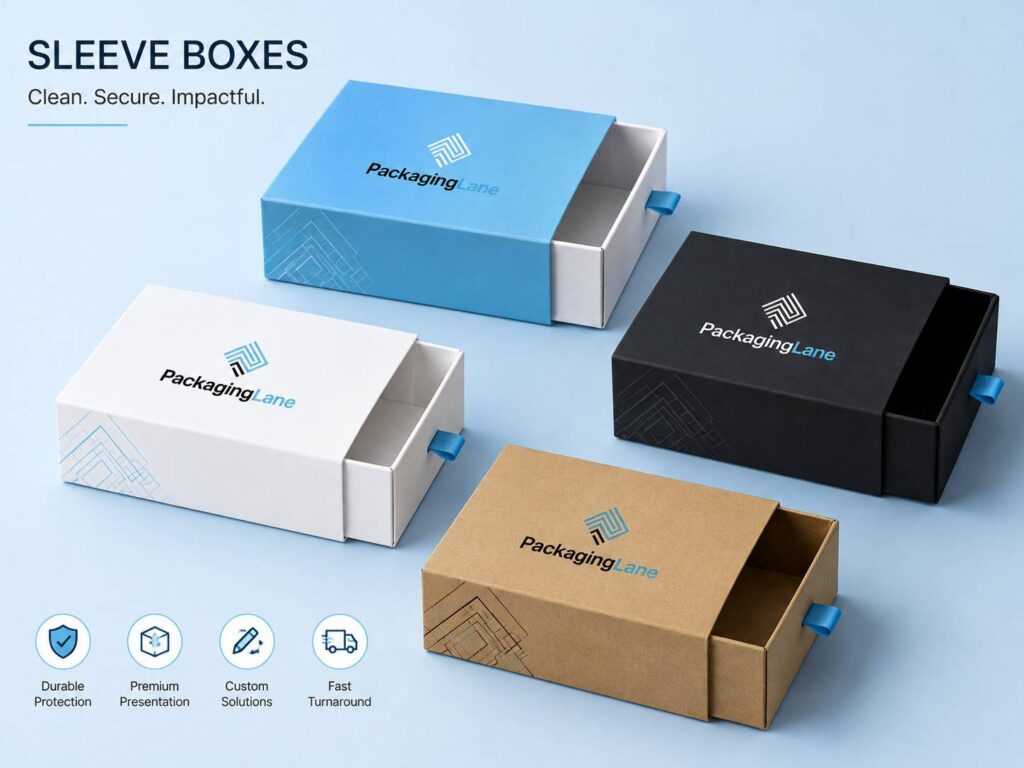
Sleeve boxes combine an inner tray with an outer sleeve to create an elegant presentation. They are often chosen for premium cosmetics, gift items, and electronic accessories where appearance is just as important as protection.
Materials Used in Custom Packaging
The material used to manufacture a box plays a major role in its durability, appearance, and overall cost. Paperboard is lightweight and works well for retail packaging where shipping protection is not the primary concern. Corrugated fiberboard provides additional strength through its fluted interior layer, making it suitable for shipping heavier products.
Kraft paper has become increasingly popular because of its natural appearance and recyclable properties. Many businesses choose kraft packaging to support environmentally responsible practices while maintaining an attractive look. Some premium products require rigid board or specialty coated materials to achieve a luxury finish. The right material should always balance protection, presentation, sustainability, and budget.
Printing and Finishing Options
Printing transforms plain packaging into a powerful branding tool. Businesses can choose digital printing for smaller production runs or offset printing for larger orders requiring exceptional color consistency. Beyond printing, finishing techniques help packaging stand out. A matte finish creates a modern, understated appearance, while gloss coatings produce vibrant colors and a polished look. Soft-touch coatings provide a smooth, premium feel that enhances customer perception.
Businesses looking for luxury packaging often add foil stamping, embossing, debossing, or spot UV coating to highlight logos or specific design elements. Window cutouts and custom inserts can also improve both presentation and functionality. Choosing the right combination of printing and finishing depends on the product, target audience, and brand image.
How to Choose the Right Packaging Box
Selecting the right packaging begins with understanding the product itself. Size, weight, and fragility should always determine the structural design of the box. Shipping requirements are another important consideration. Products that travel long distances require stronger materials and secure internal protection to reduce the risk of damage.
Brand identity should also influence packaging decisions. Colors, typography, graphics, and finishes should reflect the company’s personality and create a consistent customer experience across all products. Cost matters, but the least expensive option is not always the best investment. Packaging that prevents product damage, reduces returns, and improves customer satisfaction often delivers greater long-term value. Finally, businesses should always test their packaging before full production. Real-world shipping tests help identify weaknesses that may not be obvious during the design stage.
Sustainable Packaging Solutions
Sustainability has become an important factor for both businesses and consumers. Many customers now prefer brands that reduce waste and use environmentally responsible materials. Recyclable paperboard, corrugated materials, and responsibly sourced kraft paper are excellent choices for businesses seeking more sustainable packaging.
Companies can also reduce waste by selecting appropriately sized boxes, minimizing unnecessary filler materials, and designing packaging that customers can easily recycle after use. Sustainable packaging benefits the environment while also strengthening brand reputation and meeting growing customer expectations.
Common Mistakes to Avoid
Many businesses make the mistake of choosing packaging based only on appearance. While attractive packaging is valuable, it should never come at the expense of product protection. Another common mistake is selecting oversized boxes. Larger packaging increases shipping costs and often requires additional filler materials.
Ignoring branding opportunities can also limit the effectiveness of packaging. Every shipment provides an opportunity to reinforce brand recognition and improve customer experience. Finally, skipping quality testing can result in damaged products, higher return rates, and unhappy customers. Investing time in testing before production can prevent expensive problems later.
Why Businesses Choose Packaging Lane
Finding the right packaging partner is just as important as selecting the right box style. Packaging Lane works with businesses across multiple industries by providing customized packaging solutions that balance quality, functionality, and attractive design. Whether a business needs Custom Packaging Boxes for retail shelves, shipping, or promotional campaigns, Packaging Lane offers flexible options designed to meet different product requirements.
Their wide selection of Cardboard boxes helps businesses package products securely while maintaining a professional appearance. They also offer modern printing techniques, premium finishing options, and packaging solutions tailored to different industries. For companies looking to reduce their environmental impact, Packaging Lane also provides Custom Eco-friendly Boxes made from sustainable materials without compromising product protection or visual appeal.
Conclusion
The right packaging does much more than hold a product. It protects valuable items, strengthens brand identity, improves customer satisfaction, and creates memorable experiences that encourage repeat business. By understanding the different box styles, materials, printing options, and sustainability considerations, businesses can make informed decisions that support both their products and their long-term goals. Investing in well-designed Custom Packaging Boxes is an investment in your brand, your customers, and the future growth of your business.